
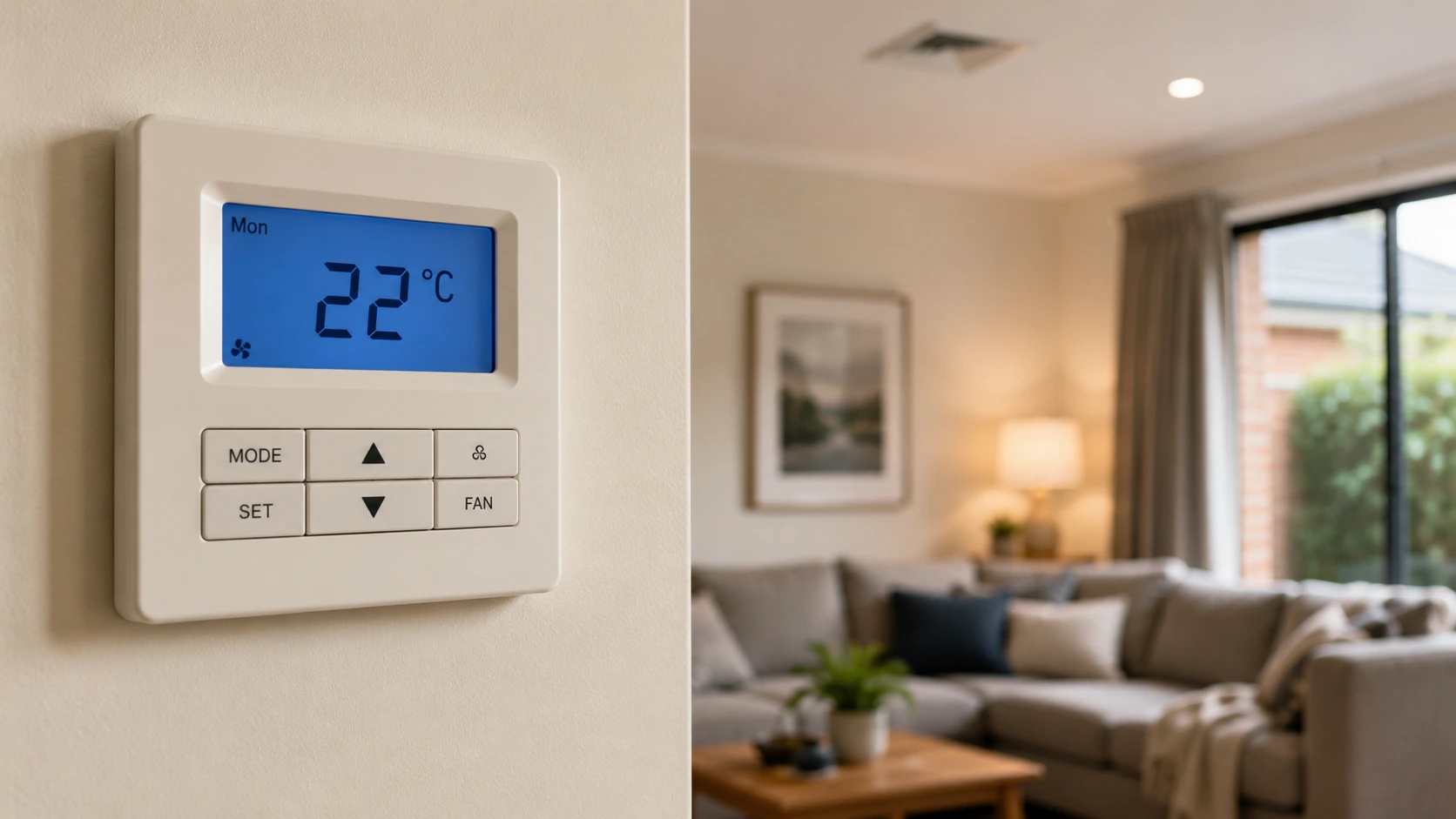
When winter sets in, whole-home warmth becomes a priority. Ducted gas heating remains one of the most popular central heating solutions in Australia, delivering consistent warmth to every room through a single, professionally installed system.
Whether you are building a new home, replacing an aging heater, or upgrading from space heaters, this complete buyer’s guide covers everything you need to know, including how ducted gas heating works, what it costs, how to maintain it safely, and how to choose the right system for your home.
What Is Ducted Gas Heating and How Does It Work?
Ducted gas heating is a central heating system built around a single gas heater unit. That unit warms air using natural gas and pushes it through a network of ducts and vents installed throughout your home.
The key components:
- Central heating unit: the gas-powered heat source, installed in the roof space or underfloor
- Duct network: insulated channels running through the ceiling or under the floor
- Vents: outlets in each room that release warm air
- Return air vent: draws cool air back to the unit to be reheated
Unlike portable heaters that warm only one room at a time, a ducted gas heating system provides consistent warmth across the entire home from one central unit.
Explore our site to book a no-obligation site assessment, or browse our ducted gas heating to find the right system for your home.
The Key Advantages of Ducted Gas Heating
- Whole-home coverage: consistent warmth in every room, with no cold spots
- Clean aesthetics: no wall-mounted units or floor heaters cluttering your living spaces
- Energy-efficient heating: natural gas delivers high heat output at lower running costs than most electric heaters
- Zone control: heat only the rooms you are using, reducing energy consumption and cutting energy bills
- Long lifespan: a professionally installed ducted gas heating system can last 15 to 20 years with proper servicing
- Add-on cooling: the same duct network can support refrigerated cooling in summer
Key Disadvantages of Ducted Gas Heating
- Higher upfront installation cost compared to split systems or portable heaters
- Requires an active natural gas connection, which is not available on all properties
- Running costs are tied to gas tariffs, which can fluctuate over time
- Heating only by default: cooling requires an add-on module or a separate system
- Annual servicing is essential, adding to the ongoing cost of ownership
Requirements for Ducted Gas Heating
Before installation can proceed, your property needs to meet several practical requirements.
- Natural gas connection or the ability to connect to the gas network
- Adequate roof or underfloor space for the central unit and duct runs
- Minimum ceiling or floor void clearance depth for duct installation
- Electrical supply for the unit’s controls and fan motor
- A home size and layout assessment to determine the correct heating capacity in kilowatts
- All work must be carried out by a licensed gas fitter to meet Australian compliance standards
Ducted Gas Heating vs Other Home Heating Options
Understanding how gas ducted heating compares to other systems helps you make a confident decision. The table below covers the key differences across cost, coverage, and capability.
| Feature | Ducted Gas Heating | Split System | Electric Heaters | Ducted Reverse Cycle |
|---|---|---|---|---|
| Upfront Cost | Medium | Low | Very Low | High |
| Running Cost | Low | Low | High | Low |
| Whole-Home Coverage | ✔ Yes | ✘ No | ✘ No | ✔ Yes |
| Includes Cooling | Add-on option | ✔ Yes | ✘ No | ✔ Yes |
| Gas Connection Needed | ✔ Yes | ✘ No | ✘ No | ✘ No |
| Best For | Large homes, cold climates | 1-2 rooms | Spot heating | Year-round, no gas access |
Note: Ducted gas heating with an add-on cooling module can deliver year-round climate control using the same duct network, matching the functionality of ducted reverse cycle at a lower system replacement cost.
| 💡 Quick Tip: Gas vs Electric Running Costs Which is cheaper to run, gas ducted heating or electric heating in Australia? In most states, natural gas remains cheaper per unit of energy than electricity, making ducted gas heating more cost-effective for whole-home heating in colder climates. |
Ducted Gas Heating Cost
Installation costs in Australia typically range from $7,000 to $15,000 or more. The final figure depends on several factors.
- Home size: larger homes require more ductwork and a higher-capacity system
- Number of zones: each zone adds to the complexity and cost of installation
- Existing infrastructure: homes with prior ductwork in place cost less to set up
- Duct run length: longer or more complex runs add to labour and material costs
Running costs vary based on your home’s size, insulation quality, and how often the system operates. On average, gas heating costs less annually than equivalent electric heating solutions. Over a five to ten year period, the energy savings from a modern, energy-efficient ducted gas heating system can offset the higher upfront cost.
For more, the Ducted Gas Heating Cost explains installation prices, running expenses, and the key factors that affect how much you’ll pay overall.
| 💡 Quick Tip: Installation Cost Range How much does ducted gas heating installation cost in Australia? Installation typically ranges from $7,000 to $15,000 or more depending on home size, number of zones, and whether existing ductwork is already in place. |
What Are Ducted Gas Star Ratings?
Australia’s star rating system for gas heating appliances is administered under the Equipment Energy Efficiency (E3) program. The more stars, the higher the energy efficiency of the system.
The chart below shows how star ratings relate to relative gas consumption and estimated annual running costs for a typical Australian home. Higher star-rated systems cost more upfront but deliver significant savings over time.
| Star Rating | Relative Gas Consumption | Est. Annual Running Cost* |
|---|---|---|
| ★★ 2-Star | ████████████████████Very High Consumption | $2,800 / yr |
| ★★★ 3-Star | ████████████████High Consumption | $2,200 / yr |
| ★★★★ 4-Star | ████████████Moderate | $1,700 / yr |
| ★★★★★ 5-Star | ████████Low Consumption | $1,200 / yr |
| ★★★★★★ 6-Star | █████Very Low Consumption | $850 / yr |
*Estimates based on a medium-sized Australian home. Actual costs vary depending on home size, insulation, usage patterns, and current gas tariffs.
Older ducted systems often predate current rating requirements and are far less efficient than modern equivalents. When comparing systems, always check the star rating alongside kilowatt output, as both capacity and efficiency are important factors.

Understanding Zone Control in Ducted Gas Heating Systems
Zone control divides your home into separate heating areas, each managed independently. Rather than heating every room at once, you heat only the zones in use, reducing energy consumption and lowering running costs.
- Most homes benefit from two to four zones
- Zones are typically split by area: living spaces, bedrooms, and utility rooms
- Modern ducted gas heating systems support both manual zone controls and smart, app-based scheduling
- Zoning gives you complete control over your comfort and your energy bills
Ducted Heating with Add-On Cooling
Add-on cooling attaches a refrigerated cooling module to your existing ducted gas heating system. It uses the same network of ducts and vents to deliver cooled air in summer, providing year-round heat and cool comfort without installing a separate system.
This is a cost-effective upgrade for homeowners who already have gas ducted heating and want to extend its capability into the warmer months. Not all existing duct systems are compatible, so a site assessment is required before any add-on cooling work proceeds.
For a closer look at available systems, explore Tempco’s ducted gas heating with add-on cooling.
Ducted Gas Heating Installation: What to Expect
Professionally installed ducted heating begins with a thorough site assessment. A licensed installer evaluates your home’s size, layout, ceiling or underfloor space, and existing gas and electrical connections.
The installation process typically involves:
- Site assessment and system sizing based on your home’s floor area and insulation
- Duct layout design: ceiling or underfloor routing depending on your home’s structure
- Central unit placement and gas line connection by a licensed gas fitter
- Duct sealing to prevent heat loss and maintain energy efficiency
- Electrical connection for controls, thermostat, and fan motor
- System commissioning, test run, and compliance certification
A standard installation typically takes one to two days. Proper duct sealing and correct system sizing are critical, as both directly affect running costs and long-term performance.
To find out exactly what is included from assessment through to completion, explore Tempco Energy’s ducted gas heating installation.
Ducted Gas Heating Service Costs and Maintenance
Annual servicing is essential for any gas ducted heating system. A licensed technician will inspect the heat exchanger, check gas pressure, clean filters, and assess duct integrity to keep the system running safely and efficiently.
What a service typically includes:
- Heat exchanger inspection for cracks or carbon deposits
- Gas pressure and burner performance check
- Filter cleaning or replacement
- Duct integrity and return air assessment
- Thermostat and zone control testing
Gas ducted heating service costs in Australia typically range from $150 to $300 per visit depending on system size and condition. A well-maintained ducted heating system can last 15 to 20 years or more.
Outside of annual services, watch for reduced heat output, unusual smells, or rising energy bills, as these may indicate the system needs attention ahead of its scheduled service. Tempco FRH Energy Solutions provides ducted gas heating services across regional Australia, keeping systems safe and efficient season after season.
| 💡 Quick Tip: Service Frequency How often should ducted gas heating be serviced? Annual servicing is recommended to maintain efficiency, identify faults early, and keep the system within manufacturer warranty conditions. |
Carbon Monoxide Safety and Ducted Gas Heating
Carbon monoxide (CO) is a colourless, odourless gas produced by incomplete combustion. A faulty or poorly maintained gas heater can release CO into your home without any visible warning, making it one of the most serious risks associated with gas appliances.
Key safety measures:
- Install a carbon monoxide detector in any home with a gas ducted heating system
- The burner flame should always burn blue, as a yellow or orange flame can indicate a combustion problem
- Watch for soot deposits around vents, or unexplained headaches and nausea when the system is running
- Never block return air vents, as restricted airflow can affect combustion quality
Professional installation and annual servicing by a licensed technician are the most effective safeguards against CO-related risk.
Ducted Heating Parts vs Full System Replacement
When a ducted gas heating system develops a fault, the decision is whether to repair or replace. The right answer depends on the age of the system and the nature of the fault.
Consider part replacement when:
- The system is under 10 years old
- The fault is isolated to a single component such as the fan motor, control board, or thermostat
- The repair cost is low relative to the remaining useful life of the system
Consider full replacement when:
- The system is 15 years or older
- Faults are recurring and repair costs are mounting
- Running costs are significantly higher than a modern equivalent system
- Upgrading to a new, energy-efficient ducted gas heater would deliver meaningful savings
Converting Ducted Gas Heating to Electric: Is It Worth It?
Converting ducted gas heating to electric is an option more homeowners are exploring as electrification trends grow and solar adoption increases across Australia. Conversion involves replacing the gas heater unit with an electric ducted system or ducted reverse cycle air conditioner. In many cases the existing ductwork can be reused, reducing the overall cost of the switch.
When conversion makes sense:
- Your household has significant solar generation during the day
- Gas network access is limited or the connection is being phased out in your area
- You want a single system that heats and cools without an add-on module
When staying on gas is the better option:
- You do not have solar panels and pay standard electricity tariffs
- Your current system is modern, well-serviced, and performing efficiently
- Conversion costs outweigh the projected savings over a reasonable payback period
For homeowners searching: Is Ducted Heating Gas or Electric, this guide explains all you want to know.

Tips for Choosing a Ducted Gas Heating Company
The company you choose matters as much as the system you install. Keep these points in mind when evaluating installers.
- Verify gas licensing and relevant Australian trade accreditations before engaging any installer
- Choose a company with specific experience in ducted gas heating installation, not just general HVAC or plumbing work
- Request a written, itemised quote covering system cost, installation labour, ductwork, and any additional charges
- Clarify warranty terms clearly: what the manufacturer covers versus what the installer is responsible for
- Check customer reviews and ask for references from comparable home installations
- Confirm post-installation support: servicing availability, emergency call-out response, and parts access
- Never accept a quote from a company that will not conduct a proper site visit and home assessment first
Choosing the Right Ducted Gas Heating System for Your Home
Selecting the right ducted gas heating system comes down to four key factors. Use the cards below as your guide when comparing systems and making your final decision.
- Determine your home’s floor area and insulation type
- Set a realistic budget covering both installation and 5-year running costs
- Compare star ratings across systems that match your capacity needs
- Shortlist brands with strong service networks in your area
- Request written quotes with full warranty terms from licensed installers
| 01 ★ Star Energy Rating Higher star ratings mean greater energy efficiency. A 6-star system costs more upfront but significantly reduces annual energy bills. Check and compare star ratings across all shortlisted systems before deciding. Older systems often predate current rating requirements and are far less efficient. | 02 ⚡ Heating Capacity Measured in kilowatts (kW), higher kW suits larger homesMatch system output to your home’s floor area and insulation level. An undersized system will struggle in cold weather. An oversized system short-cycles and wastes gas. |
| 03 ✔ Brand Reliability Choose brands with a proven track record in Australian conditionsBrands such as Brivis offer a strong range of ducted gas heaters. Check local service network coverage and parts availability. A well-supported brand makes future servicing and repairs easier. | 04 ⚲ Warranty Coverage Understand what the manufacturer covers versus the installer. Most quality systems carry a 5 to 10 year parts warranty. Confirm whether annual servicing is required to keep warranty validAsk about labour warranty separately from parts warranty. |
Ready to Get Started?
Tempco Energy specialises in ducted gas heating installation and servicing, helping Australian homeowners find the right central heating solution for their home. From system selection through to ongoing maintenance, our licensed team is here to guide you every step of the way.