

In most homes, hot water stops working for one of three reasons: a tripped circuit breaker, a gas pilot light that’s gone out, or a failed heating element or thermostat. Heat pump systems can also lose hot water due to blocked airflow around the outdoor unit or a tripped isolator switch.
A cold shower on a winter morning has a way of getting your attention fast. One minute the water’s running warm, the next it’s stone cold. The good news is that most hot water faults come down to a small handful of causes. Below we’ll walk through what typically goes wrong with each type of hot water system, the checks that are safe to do yourself, and when it’s time to call a professional rather than keep troubleshooting on your own.
Start Here: Quick Checks for Any Hot Water System
Before you assume the worst, there are a few checks that apply no matter what type of hot water system you’ve got. These take a few minutes and often solve the problem outright, or at least tell you which direction to head in next.
- Check the switchboard. Look for a breaker labelled hot water or HWS. If it’s flipped to off or sitting in the middle, reset it once. If it trips again, stop and call an electrician rather than resetting it repeatedly.
- Check the isolator switch near the tank. Most systems have a separate switch close to the unit, often in a small weatherproof box. It’s surprisingly common for this to get switched off during other work and simply forgotten.
- Test more than one tap. If only one tap or shower runs cold while others are fine, the problem is more likely a local tap, mixer, or tempering valve than the hot water unit itself.
- Look for an error code. Many newer systems, especially heat pumps, show a fault code on a small display or flash a light in a pattern. Jot it down, it speeds up diagnosis considerably if you do end up calling someone out.
If none of these quick checks get you anywhere, the cause is likely specific to your system type. That’s where things start to differ.
Why Your Electric Hot Water System Isn’t Working
Electric storage systems are usually straightforward, which is part of why they’re so common in Australian homes. When one stops heating, the fault is almost always electrical rather than plumbing related.
Failed heating element
Electric storage tanks generally have one or two heating elements submerged in the water. Elements wear out over time, especially in areas with harder water where sediment settles around them. If an element fails, the water simply won’t heat, even though the unit still has power.
Faulty thermostat or reset button
The thermostat tells the element when to switch on and off. If it fails, you might end up with no hot water at all, or water that’s far too hot. Many electric systems also have a red reset button on the upper thermostat, sometimes called a high limit switch. If it keeps tripping rather than holding, that usually points to a deeper fault rather than a one off.
Tripped circuit breaker
This is the simplest cause and the easiest to rule out. A single reset is fine. Repeated tripping within a day or two is a sign something else is wrong and shouldn’t be reset over and over.
Why Your Gas Hot Water System Isn’t Working
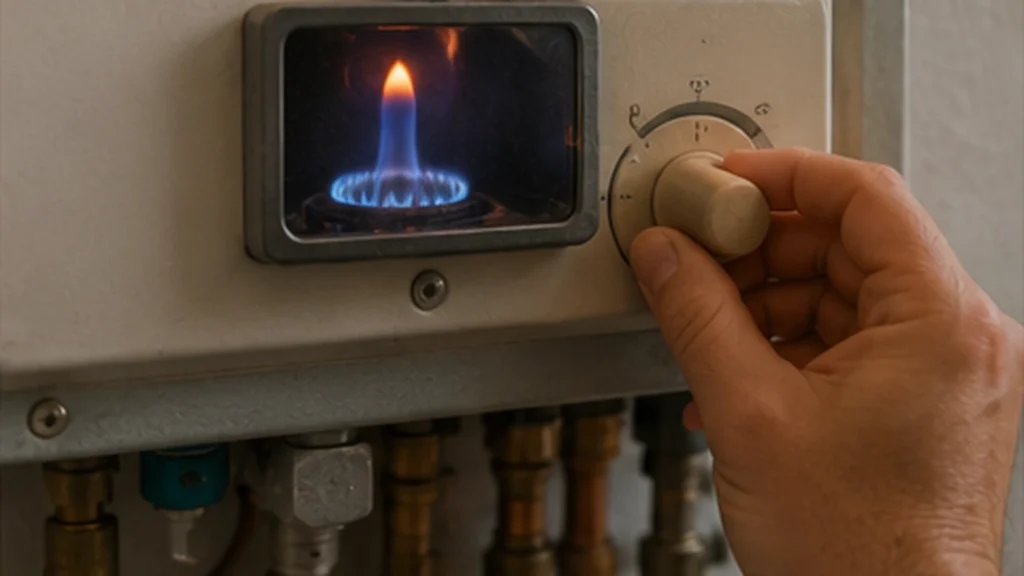
Gas hot water systems bring a slightly different set of usual suspects, mostly centred around the pilot light and gas supply rather than electrics.
Pilot light has gone out
This is the most common reason a gas hot water system stops working. A draft, a dirty pilot tube, or a brief interruption to the gas supply can all blow out the flame. Most units have a small inspection window where you can see whether the pilot is lit, along with instructions for relighting it printed on the unit itself.
Faulty thermocouple
The thermocouple is a safety sensor that sits next to the pilot flame. If it’s dirty, slightly out of position, or worn out, it can’t tell the gas valve that the pilot is lit, so the system shuts the gas off as a precaution. If the pilot won’t stay lit after a couple of attempts, this is usually the part to blame.
Gas valve or gas supply issues
If the thermocouple checks out fine and the pilot still won’t hold, the gas control valve itself may be failing. This needs a licensed gas fitter, since it involves testing gas pressure and valve operation safely.
| Smell gas near your hot water system? Don’t try to troubleshoot it. Leave the area, don’t operate any switches, and call your gas provider straight away. |
Why Your Heat Pump Hot Water System Isn’t Working
Heat pump systems work differently to gas or standard electric units. They draw warmth from the surrounding air rather than generating heat directly, which means they’re sensitive to a few things that gas and electric systems aren’t.
Blocked or restricted airflow
A heat pump needs a steady flow of air around the outdoor unit to do its job properly. If it’s been installed somewhere tight, or if leaves, mulch, or stored items have built up around it, that airflow restriction can stop it heating effectively or at all. This is one of the few heat pump issues you can check and clear yourself.
Tripped power or isolator switch
As with other systems, check the breaker and the isolator switch near the unit first. Heat pumps draw power continuously, so an overloaded circuit or a forgotten isolator is a common, easily fixed cause.
Fault codes and compressor issues
Most heat pumps display a fault code or flashing light when something’s wrong, and the meaning varies by brand. If you’ve ruled out power and airflow and the unit is still showing a fault, it’s time to call a technician. Compressor and refrigerant issues sit firmly in licensed territory.
This is also where the quality of the original hot water installation matters. A heat pump installed without proper clearance for airflow will keep causing problems no matter how many times it’s reset.
Quick Reference: Hot Water System Faults at a Glance
Here’s a short summary of where to start looking, by system type, before you call anyone out.
| System type | First thing to check | Common cause | Safe for you to check? |
|---|---|---|---|
| Electric storage | Circuit breaker at the switchboard | Failed heating element or thermostat | Yes, the breaker only |
| Gas storage | Pilot light through the inspection window | Faulty thermocouple or gas valve | Relighting only, if printed instructions allow it |
| Heat pump | Isolator switch and breaker, then airflow around the unit | Tripped power, blocked airflow, or a fault code | Yes, power and airflow checks only |
Other Signs Something’s Wrong With Your Hot Water
Not every hot water problem shows up as a cold shower. Sometimes the system is still running, but something about it isn’t quite right. These signs are worth paying attention to regardless of what type of system you have.
Water that’s lukewarm rather than properly hot
This usually points to a thermostat that’s drifted out of calibration, a tempering valve that’s partly stuck, or, for heat pumps, a unit working harder than it should in cold weather. It’s rarely an emergency, but it’s worth getting checked before it becomes a no hot water situation.
Water that’s too hot or scalds unexpectedly
A thermostat stuck on, or a tempering valve that’s failed, can both push water temperature higher than it should be. This is a safety issue rather than just an inconvenience, particularly in homes with young kids or older residents.
Rusty or discoloured water
Brown or rusty water usually means corrosion somewhere in the tank or its fittings. It’s common in older systems and is generally a sign the tank is nearing the end of its working life rather than something a quick fix will solve.
Leaks or water pooling around the base
A few drips from the pressure relief valve during heating can be normal. Constant dripping, or water pooling around the base of the unit, isn’t. This often means a failing tank, a stuck valve, or a loose fitting, and it’s worth getting looked at before it causes water damage.
Pressure relief valve problems
The pressure relief valve is a safety device that releases pressure if the tank overheats. Never cap, plug, or force it. If it’s discharging constantly or the lever feels stiff, that’s a job for a licensed plumber, not a DIY fix.

If you’re unsure whether your unit is nearing replacement age, our guide on how long a hot water system lasts explains the typical lifespan of electric, gas, continuous flow, and heat pump systems, along with the signs it’s time to replace them.
When to Call a Professional
Plenty of hot water faults are safe to check yourself, but plenty more involve gas, mains electricity, or pressurised water, which is exactly where things can go wrong quickly if you’re not set up for it. Call a professional for you hot water repair rather than continuing to troubleshoot if you notice any of the following.
- You can smell gas near the unit, even faintly.
- The circuit breaker trips again after a single reset.
- The pilot light won’t stay lit after a couple of careful attempts.
- There’s visible water leaking from the tank, valves, or connections.
- The pressure relief valve is discharging constantly or feels stuck.
- Water comes out rusty, gritty, or smells unusual.
- The system is showing a fault code you can’t resolve with a single power cycle.
None of these are worth pushing through on your own. A licensed technician can diagnose the actual cause in one visit, rather than you working through a process of elimination on a system you use every day.